A Spectrum Of Computing
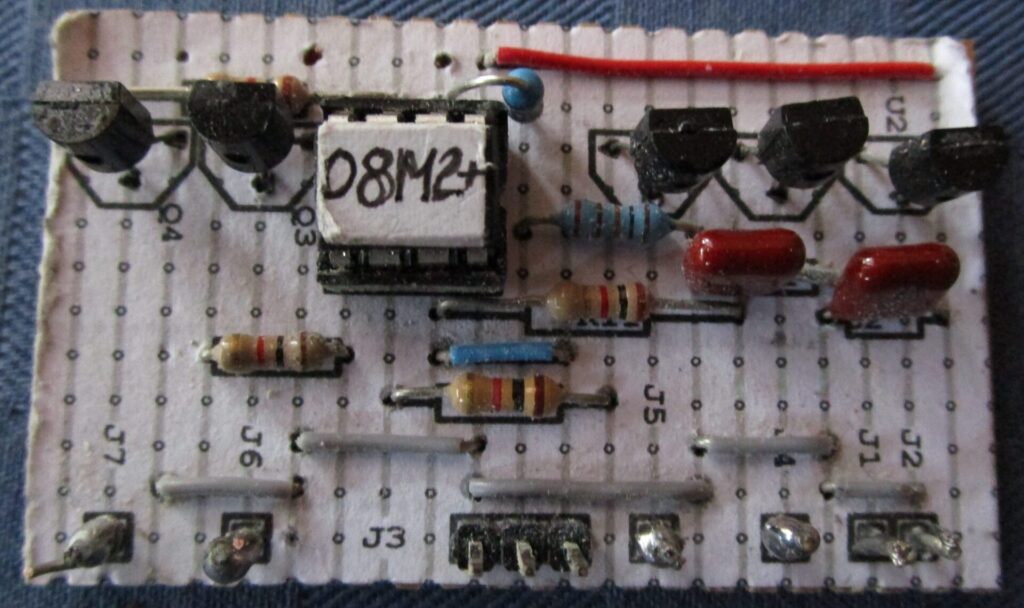
We began the session by considering the capabilities of the full range of computing devices currently available. Starting at the most basic end of the range with a PIC microprocessor, we saw an example of its use to generate DMS signals for an LED theatre lantern, and saw how the exact timing required is achieved by programming it in assembler code. We then moved on to a reminder of the PICAXE microcontrollers that we have experimented with in previous sessions, programmed in Basic or Blockly.
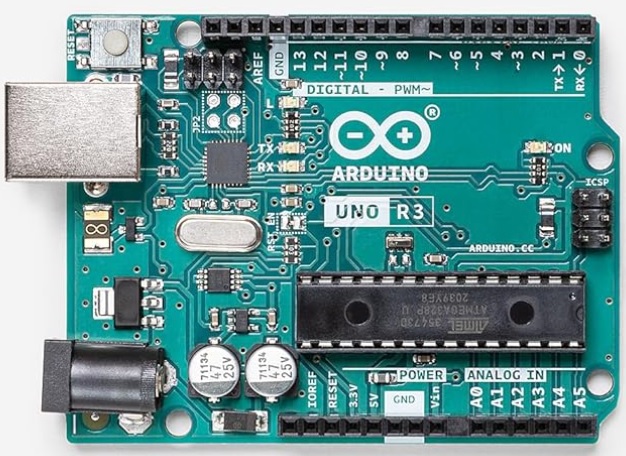
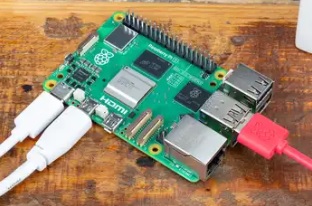
The next step up is to the much more powerful Arduino devices. Mike described some of the uses he has made of Arduinos in home automation, such as management of his central heating system. Another step up in computing power takes us to the Raspberry Pi a fully-fledged computer on a tiny circuit board. We saw a demo of an early R.Pi running a slide-show while at the same time switching an LED on a GPIO port using a Python program. Mike describe his uses of an R.Pi, including as an internet server.
Project Kit
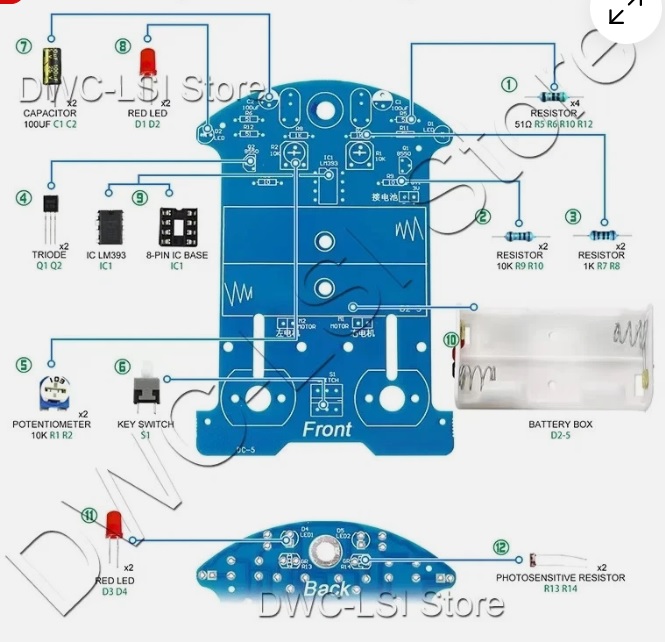
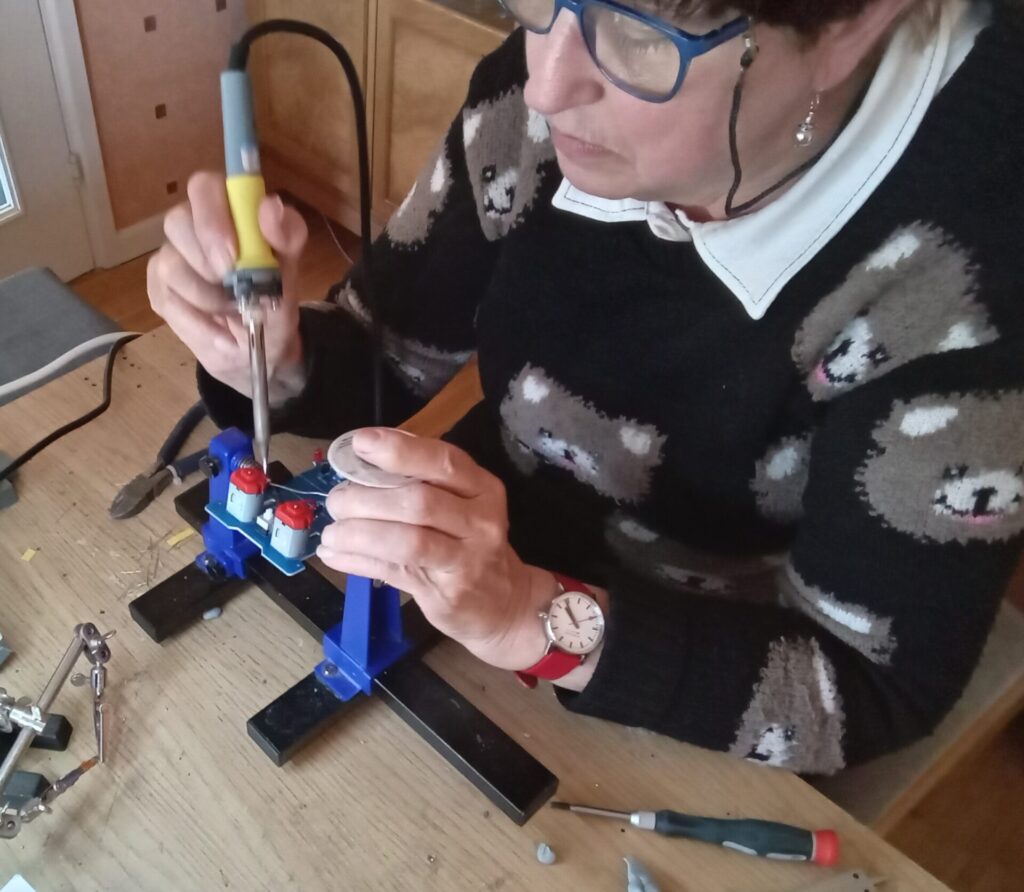
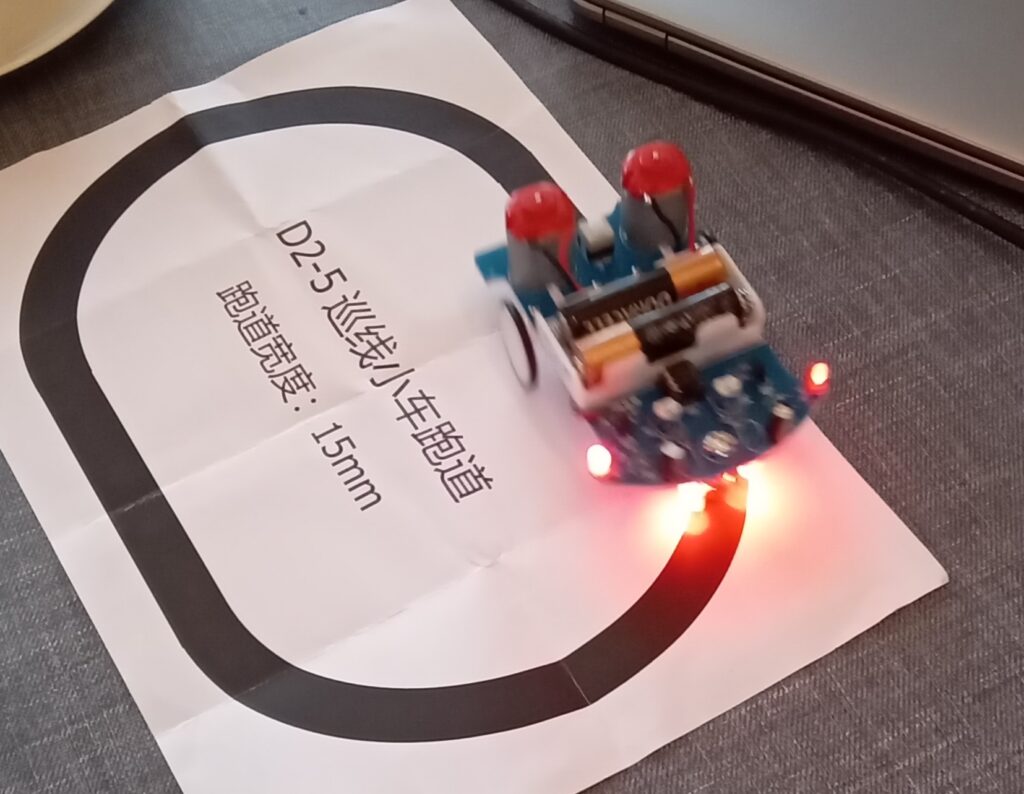
Project kits are a great way to become familiar with electronic components and assembly techniques. Jeanine bought along a kit to make a 'line-following' robot. It is advertised as a project for soldering practice. We all had a go at soldering some of the components onto the circuit board, and we agreed that the first requirement is excellent eye-sight! We learned how to identify the correct orientation for components such as LEDs, electrolytic capacitors and transistors. Analyzing the circuit diagram was also useful revision of how op-amps work. After about an hour of careful construction Jeanine made the final soldering joint and we tested it. To our great delight it worked first time; no tedious fault-finding required!